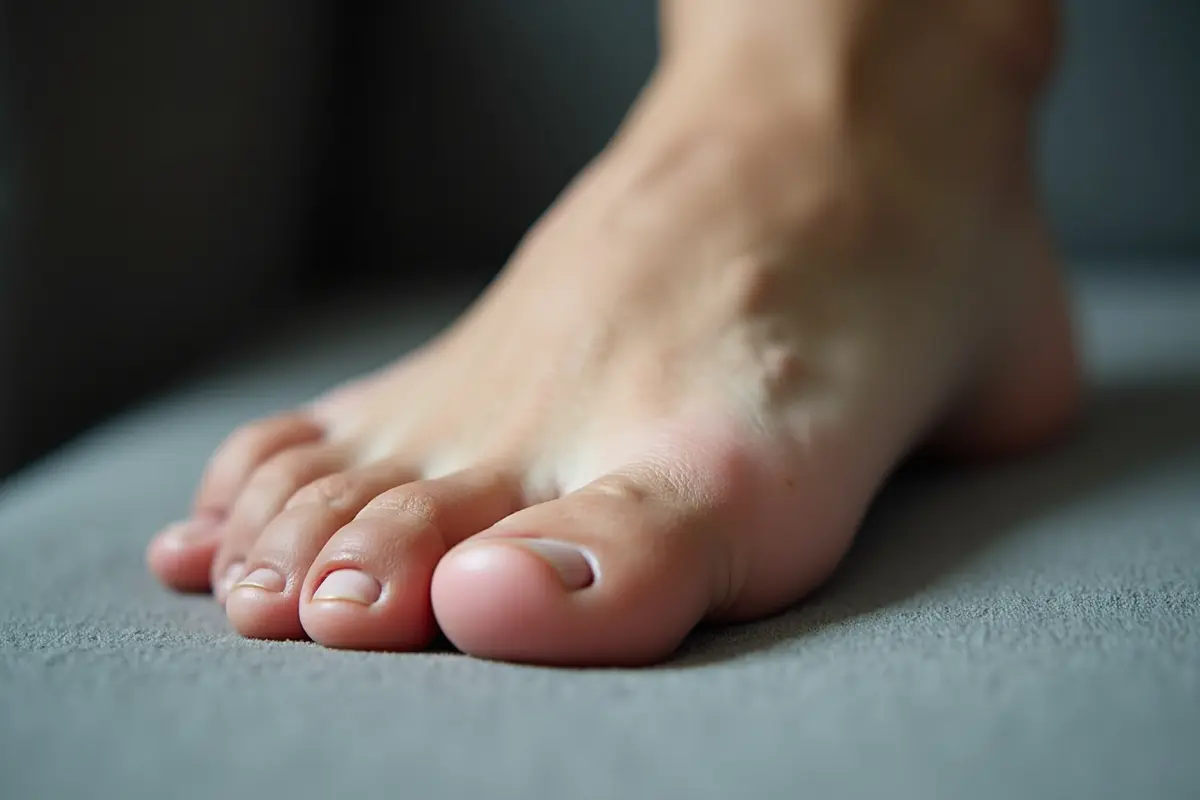
Foot pain can make ordinary tasks, including walking, working, exercising, and standing in line, feel much harder than they should. While soreness after an unusually long day may improve with rest, pain that keeps returning or changes the way someone walks deserves closer attention. A foot clinic may be an appropriate setting for an assessment when symptoms do not settle or the cause is unclear.
The foot is a complex structure of bones, joints, muscles, tendons, ligaments, and nerves. Because these parts work together, discomfort in one area can affect how weight moves through the ankle, knee, hip, and lower back. The location of pain can offer useful clues, but it cannot provide a diagnosis on its own.
Why Foot Pain Should Not Be Ignored
Temporary soreness can happen after a new workout, a long shift on hard floors, or a substantial increase in walking. It often improves when activity is briefly reduced, and the foot has time to recover. Persistent pain is different. It may appear every morning, return at the same point in a walk, or lead a person to limp or avoid putting weight on one side.
Changing the way you walk to avoid pain can shift stress elsewhere in the body. It can also make it harder to stay active, maintain balance, or comfortably complete normal responsibilities. Paying attention early may help prevent a small irritation from becoming a more limiting problem.
Common Reasons Feet Start To Hurt
A foot specialist can help distinguish between similar symptoms with different causes, particularly when pain persists despite basic home care. Self-diagnosis is risky because several conditions can cause discomfort in the same area.
- Overuse: Increasing running, walking, standing, or sports too quickly can overload tissues that have not adapted to the new demand.
- Footwear problems: Tight toe boxes, worn cushioning, loose heels, or shoes unsuited to the activity can increase pressure and friction.
- Soft-tissue irritation: Muscles, tendons, ligaments, and the plantar fascia can become irritated after repeated strain.
- Joint changes: Arthritis, stiffness, and inflammation may affect how the foot moves and absorbs force.
- Nerve symptoms: Burning, tingling, pins and needles, or reduced sensation may point to nerve involvement.
- Previous injuries: An old sprain or fracture can alter balance, range of motion, and loading patterns long after the first injury heals.
What Pain Location May Suggest
Where pain occurs is worth noting, especially when describing symptoms during an assessment. Heel pain may be associated with repeated strain or tight calf muscles. Arch discomfort may relate to foot posture, loading, footwear, or soft-tissue stress. Pain beneath the ball of the foot may increase with impact, prolonged standing, or narrow shoes.
Outer-foot pain can sometimes follow an ankle injury or a change in how body weight travels through the foot. Toe pain may involve pressure from footwear, joint changes, nail concerns, or nerve irritation. These are possibilities rather than conclusions, so a complete history and examination remain important.
Check The Basics Before Changing Everything
- Write down when the pain began and whether it followed an injury or an activity change.
- Note what makes symptoms better or worse, including first steps in the morning, hills, stairs, or certain shoes.
- Inspect shoes for uneven wear, a cramped fit, damaged soles, or flattened cushioning.
- Watch for swelling, bruising, skin changes, numbness, rubbing, or balance problems.
- Consider whether pain affects sleep, work, exercise, or normal walking.
How Footwear Can Reduce Daily Strain
Comfortable shoes should leave enough room for toes to spread without rubbing and should hold the heel securely. A supportive sole should bend where the foot naturally bends rather than folding easily through the middle. The fit, heel structure, arch support, and toe-room checks used when choosing shoes can help identify features that better match daily needs.
Try on both shoes later in the day, when feet may be slightly larger. Wear the socks typically used for the activity, and walk around before deciding. A shoe should feel reasonably comfortable from the start rather than requiring a painful break-in period. Replace footwear when its structure, tread, or cushioning is noticeably worn.
Where Orthotics May Fit Into A Care Plan
Orthotics are inserts to redistribute pressure, support, or influence foot movement. Ready-made options suit mild needs, while custom devices are for specific foot shapes or concerns. More support isn’t always better; choice depends on symptoms, footwear, activity, and comfort. Introduce new inserts gradually; discontinue use and seek advice if they cause rubbing, pressure, pain, or numbness.
Simple Daily Steps That May Help
- Reduce the activities that clearly worsen pain for a short period.
- Use cold therapy briefly after activity when soreness or swelling is present.
- Keep the foot moving gently if complete rest causes stiffness.
- Increase walking, running, or exercise gradually after symptoms improve.
- Ask a qualified professional whether calf, ankle, and foot-strengthening exercises are appropriate.
- Avoid using pain relief to push through symptoms that are worsening.
When To Seek Prompt Medical Advice
The warning signs of foot pain include sudden, severe pain; inability to stand or bear weight; significant swelling; deformity; heavy bruising; redness; warmth; drainage; fever; or an open wound. People with diabetes or reduced circulation should take new sores and skin injuries seriously. Guidance on when foot pain needs medical attention also highlights symptoms that follow an injury or fail to improve after one to two weeks of home care.
Questions To Ask During An Assessment
- What may be contributing to the pain?
- Could footwear, work demands, or recent changes in activity be increasing strain?
- Would exercises, physical therapy, bracing, or inserts be appropriate?
- How should normal activity be resumed safely?
- Which symptoms would require follow-up or urgent care?
Conclusion
Persistent foot pain is a useful signal, not something to simply push aside. Reviewing symptoms, footwear, activity, and movement patterns can reveal practical next steps. Mild problems may improve with gradual adjustments, while persistent, worsening, or concerning symptoms should be assessed by a qualified health professional.