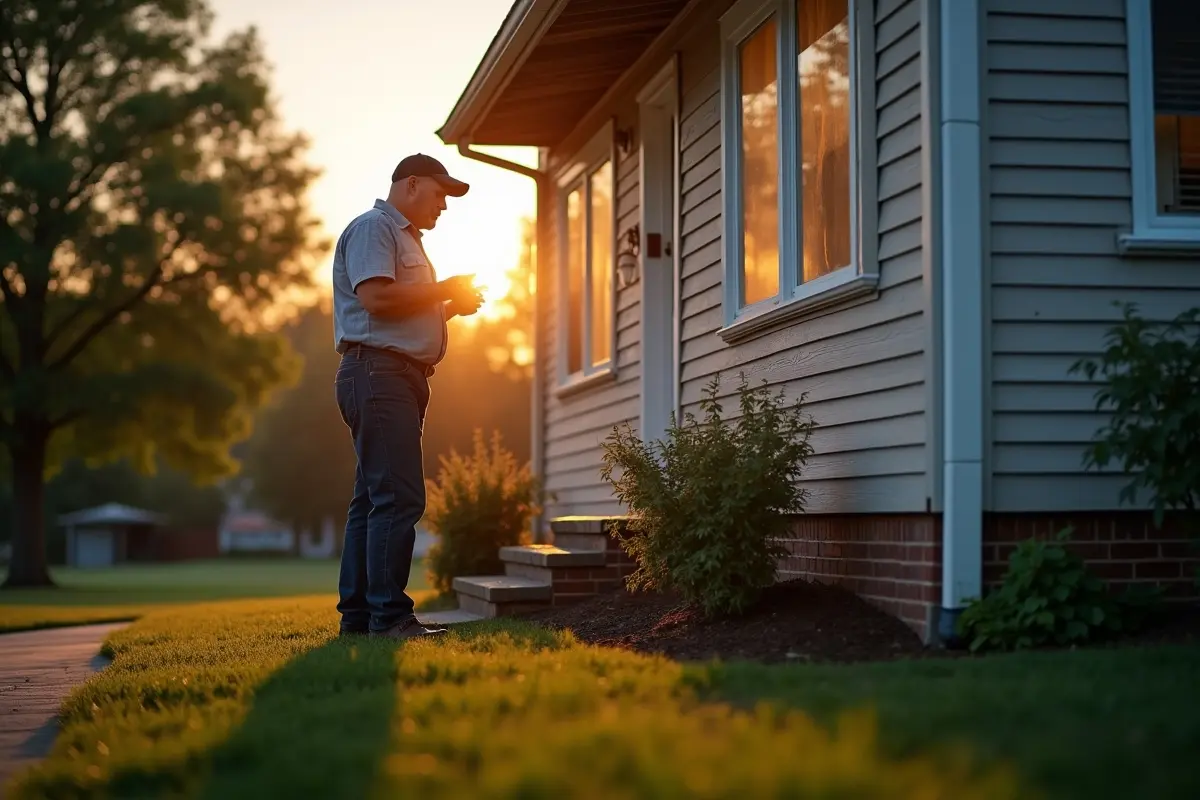
Buying a home in Hampstead means looking beyond fresh paint, updated fixtures, and curb appeal. A pest-focused home inspection can help a buyer understand whether visible signs of wood-destroying insects, moisture, or vulnerable building materials deserve attention before closing.
That information matters in a coastal North Carolina community, where crawl spaces, porches, decks, landscaping, and humid conditions can all affect the areas beneath and around a home. An inspection cannot promise that pests will never appear, but it can document visible evidence and accessible conditions at a specific point in time.
Why Pest Inspections Matter Before Closing
A home may appear clean and well-maintained while insect activity or moisture concerns remain hidden beneath the flooring, within the framing, or in the crawl space. Finding concerns early gives buyers time to seek clarification, request records, arrange further evaluation, or consider repair needs as part of the overall purchase decision.
What a Pest Inspection Covers
A visual pest inspection commonly focuses on accessible areas where insects, wood damage, and moisture-related conditions may be observed. This can include crawl spaces, basements, attics, accessible framing, floor joists, window and door trim, porches, decks, and attached storage areas.
The condition and placement of insulation can also be worth noting during a broader property review, particularly when it affects access to framing or shows signs of dampness. Insulation itself does not establish a pest problem, but moisture, leaks, and restricted access can make it harder to understand conditions in a crawl space or attic.
Buyers should also expect limitations. Areas behind finished walls, beneath floor coverings, or blocked by stored belongings may not be visible. The report should identify accessible and inaccessible areas so readers understand what the inspection could and could not cover.
Pests Commonly Found During an Inspection
Termites receive much of the attention in real estate transactions, but they are not the only organisms that can affect wood. A careful report may note evidence associated with subterranean termites, carpenter ants, carpenter bees, powderpost beetles, or old house borers. It may also identify moisture conditions or wood-decay fungi that can make wood more vulnerable over time.
Each finding should be considered on its own facts. For example, carpenter ants excavate galleries for nesting rather than eating wood, as termites do. Beetle exit holes, termite shelter tubes, and carpenter bee openings are also distinct signs that may require different follow-up steps.
Hidden Risks Buyers May Miss
A quick showing rarely gives a buyer enough time or access to examine the lowest and highest parts of a house. Small piles of frass, discarded wings near windows, soft wood, mud-like shelter tubes, or small holes in trim can be easy to overlook. Moisture around plumbing, roof penetrations, foundations, and poorly drained areas is equally important, as wet wood and soil contact can create favorable conditions for termites.
For instance, a faint stain on the ceiling might seem cosmetic during a walkthrough. A closer review of the attic could show staining near framing or damp materials that warrant repair and further pest evaluation. The goal is not to assume the worst, but to connect visible clues with the right next question.
Pest Inspection vs. General Home Inspection
Both inspections can be useful, but they have different scopes:
- A general home inspection reviews visible conditions involving major systems and building components.
- A pest inspection focuses on evidence of wood-destroying insects and conditions that may support their activity.
- A specialist evaluation may be appropriate when visible insect-related damage appears extensive or potentially structural in nature.
North Carolina State Extension recommends looking for insect damage, as well as conditions such as damp crawl spaces, stains, roof issues, and drainage concerns, when evaluating a property.
What North Carolina Buyers Should Know About a WDIR
In North Carolina, the Wood-Destroying Insect Report, often called a WDIR, records visible evidence of wood-destroying insects and certain conditions conducive to subterranean termites. The state explains that the report is based on a visual examination of accessible areas and is not a warranty that a structure is free of insects or concealed damage. Buyers can review the state’s explanation of WDIR limits and reporting requirements before interpreting the document.
A WDIR is also not a structural damage report. If the report indicates insects have reached wooden members, a qualified contractor, engineer, or other building professional may be needed to assess the extent of any repairs.
How to Read Common Report Findings
- Active evidence: Signs that insect activity may be present at the time of inspection.
- Previous evidence: Older signs that may lead buyers to request treatment records or repair documentation.
- Conducive conditions: Moisture, cellulose debris, wood-to-soil contact, or similar conditions that can increase risk.
- Damage noted: A reason to seek a repair or structural evaluation when appropriate.
- Inaccessible area: A space the inspector could not safely or visually examine.
What to Do When Problems Are Found
- Read the entire report, including limitations, diagrams, and photos.
- Ask the inspector to explain any unfamiliar findings and whether the activity appears to be current or historical.
- Request available treatment agreements, warranties, repair invoices, and prior inspection reports.
- Arrange a qualified evaluation if damage may affect structural components.
- Review available options under the purchase agreement before requesting repairs, treatment, or price changes.
- Set clear deadlines for follow-up work and any reinspection needed before closing.
When to Schedule the Inspection
Schedule pest-related inspections early in the due diligence period, not immediately before closing. Early timing leaves room to review documents, make areas accessible, obtain repair estimates, and arrange a second visit if needed. If closing is delayed, ask whether the report must be updated for the transaction.
A Simple Buyer Checklist
- Confirm that the inspector holds the appropriate North Carolina license for the required report.
- Ask which attached structures and accessible areas are included.
- Make sure crawl-space entries, attics, garages, decks, and attached sheds are accessible.
- Review moisture concerns alongside any evidence of insects.
- Keep copies of inspection reports, treatment records, warranties, and repair invoices.
- Use pest findings as one part of the larger decision, alongside the general inspection and contract terms.
Final Thoughts
A pest inspection gives Hampstead buyers a clearer view of conditions that may not appear during a standard showing. It does not replace a general home inspection, but it can reveal evidence of insects, moisture concerns, and access limitations that warrant careful follow-up before the keys change hands.