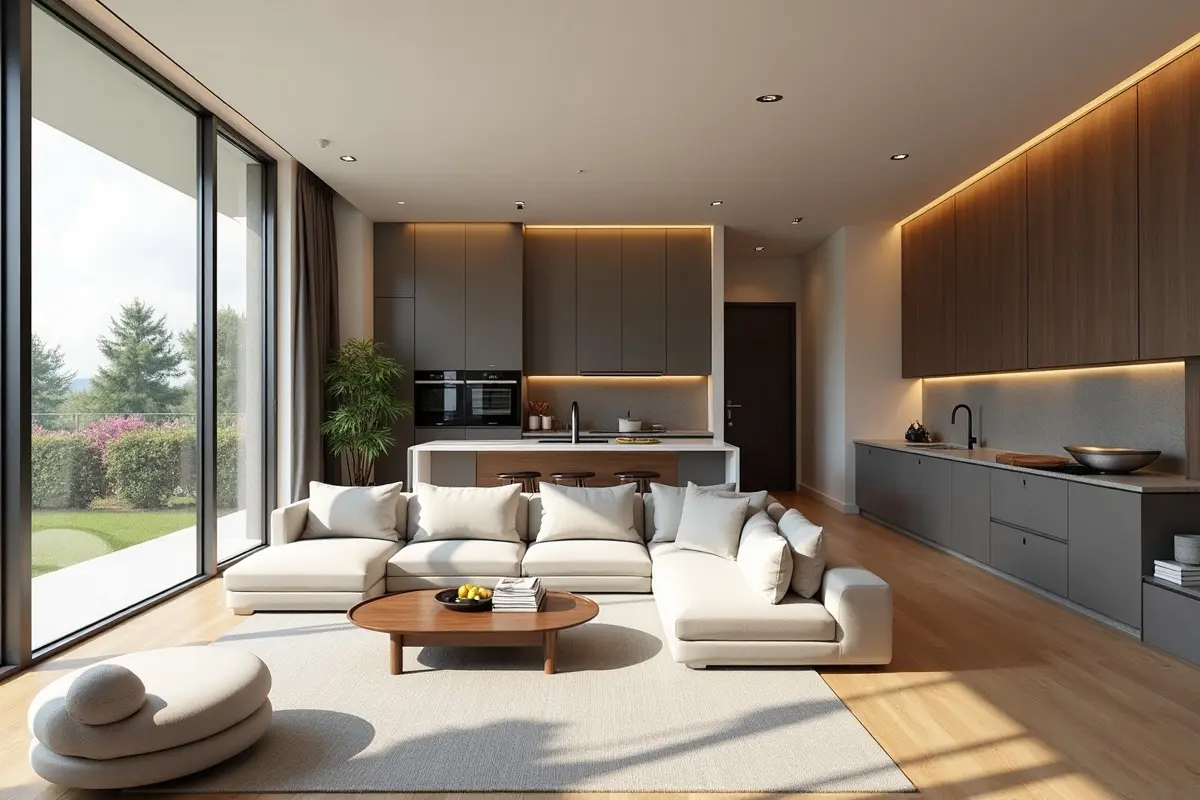
Staying informed about emerging trends in interior remodeling can significantly boost both the look and usability of your home. Whether you are considering a simple refresh or a complete transformation, today’s popular styles reflect a blend of comfort, technology, and nature. Incorporating the latest remodeling trends helps ensure your living spaces are attractive and highly functional.
As homeowners look to create sanctuaries suited to evolving lifestyles, design professionals are leaning into warmth, organic materials, and innovation. Each trend highlighted here was chosen for its ability to add lasting value while improving your daily living experience. These movements are not fleeting fads but lasting choices that blend beauty and utility.
Many of these changes also reflect an increased desire for homes that support well-being and flexibility. Whether updating a single room or rethinking an entire floor plan, following modern trends can deliver new levels of comfort and enjoyment. The right choices not only improve visual appeal but can also impact how a space is used for years to come.
In addition to overall remodels, many homeowners are turning their attention to specialized projects like home additions, allowing families to expand and customize their space without relocating. Larger, more adaptable homes make it easier to accommodate remote work, hobbies, and growing households.
Embracing Warm, Earthy Color Palettes
Contemporary interiors are shifting from stark whites and clinical grays to a wider spectrum of rich, earthy tones. Shades like olive green, deep cocoa, and terracotta are setting the scene for interior remodels. These colors invite warmth and comfort, enhancing daily life by making rooms feel cozier. Designers are using these hues to create spaces that look effortlessly stylish year-round.
Incorporating Natural Materials and Textures
There is renewed interest in authentic materials, such as natural wood, stone, and hand-thrown ceramics. Textures like ribbed glass, woven textiles, and handmade tile bring depth and interest to homes while moving away from a minimalist, cold aesthetic. By layering natural elements, homeowners can create environments that encourage relaxation and offer unique character. According to Architectural Digest, this focus on tactile experience delivers both aesthetic and emotional comfort.
Integrating Smart Home Technology
Technology has become an indispensable part of modern interior remodeling. Smart systems for lighting, energy management, and security are more accessible than ever. Features such as voice-controlled devices, climate control, and integrated wiring are now common in new remodels, adding convenience and efficiency. Forbes notes that smart home upgrades can even increase property value, making them an increasingly essential aspect of design.
Designing Flexible, Multi-Use Spaces
With more people working and studying from home, flexible layouts are in high demand. Modern remodeling projects often include movable partitions or modular furniture, allowing spaces to serve multiple purposes throughout the day. This trend provides homeowners with the adaptability needed to meet evolving needs, from home offices to home gyms to guest accommodations. Customizable spaces help families make the most of every square foot, no matter the home’s size.
Connecting with Nature through Biophilic Design
Biophilic design uses elements inspired by the natural world to improve both aesthetics and well-being. Features like abundant houseplants, large windows, living walls, and natural stone accents create environments that foster tranquility and reduce stress. This trend is especially valuable in urban areas, where access to nature can be limited. It is a concept supported by research from The New York Times that highlights the mental health benefits of green interiors.
Creating Spa-Inspired Bathrooms
Bathrooms are becoming more than just utilitarian spaces. Current remodels often include spa-like features, such as walk-in or curbless showers, statement lighting, and natural stone or wood vanities. These enhancements contribute to a restful atmosphere, transforming daily routines into opportunities for relaxation and self-care. Key elements include heated floors, larger bathtubs, and seamless transitions between wet and dry zones, all designed to maximize comfort and luxury.
Adopting Modern Organic Kitchens
Today’s kitchens blend function with a calming aesthetic. Characteristics of the modern organic kitchen include warm whites, unpolished wood, and gentle, rounded forms that soften the workspace. Open shelving, natural stone worktops, and discreet, energy-efficient appliances support both style and practicality. This combination makes the kitchen a central hub for family gatherings, cooking, and entertaining.
Personalizing Spaces with Individualistic Touches
Beyond universal design trends, personalization is more popular than ever. From custom-built-ins and curated art collections to distinctive color choices, homeowners want interiors that reflect their tastes and values. Personalized touches help create meaningful connections to the space, making it truly feel like home. The focus lies in integrating what matters most to the people living in the house, resulting in unique, functional, and beautiful environments.
Adapting modern interior remodeling trends means more than following fleeting fashions. It is about making thoughtful updates that enhance comfort, usability, and value for years to come. By leveraging warm color palettes, natural materials, smart technology, and a personal touch, any home can become a timeless showcase of today’s best ideas.