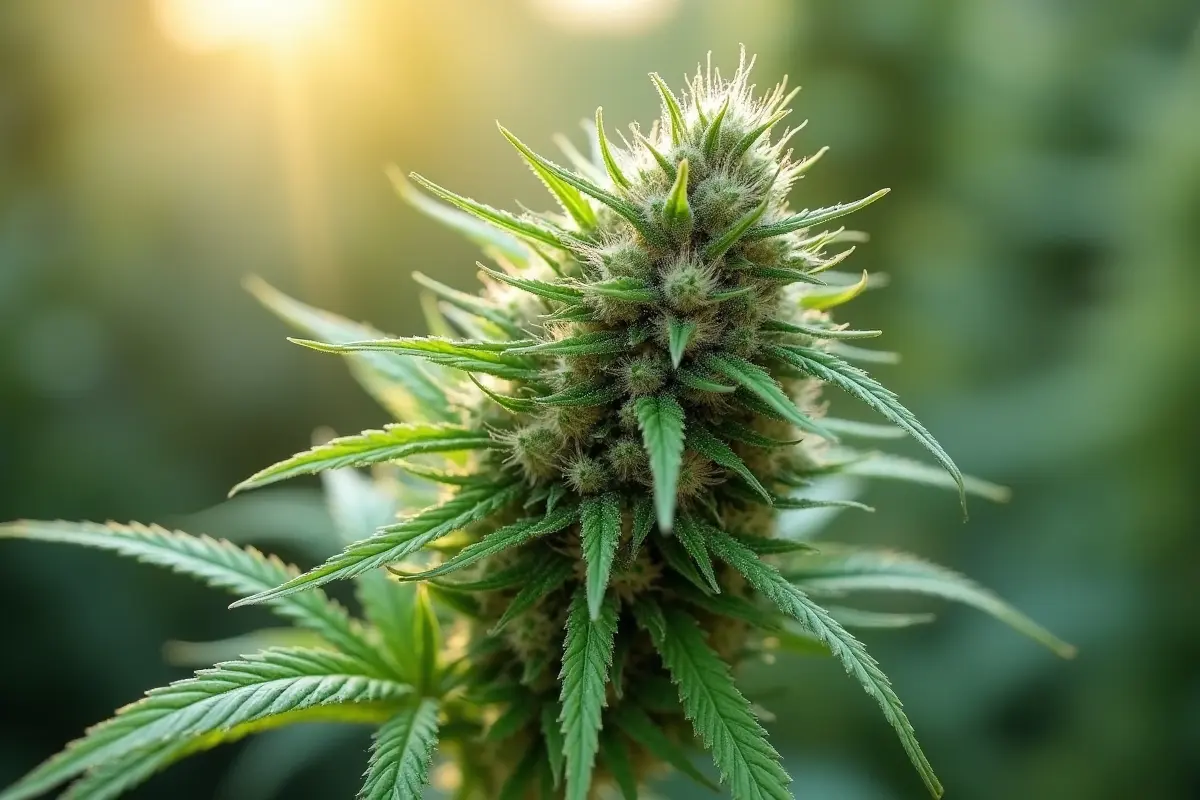
As interest in cannabinoids continues to grow, THCA-rich hemp flower has become an increasingly popular option for individuals looking to explore cannabis-related wellness benefits without the intoxicating effects commonly associated with THC. Many consumers now seek legal and accessible ways to incorporate cannabinoids into their daily routines while maintaining clarity and peace of mind.
For those seeking reputable sources, Gold Spectrum THCA Flower offers a curated selection of high-quality hemp flower options. Understanding what THCA is, how it differs from THC, and its potential advantages can help users make informed choices. The following article unpacks the core science behind THCA, examines its potential benefits, and outlines practical considerations for safe and legal use.
Understanding THCA
THCA (tetrahydrocannabinolic acid) is a naturally occurring cannabinoid found in the raw and live flower of the cannabis plant. Unlike THC, THCA does not induce psychoactive effects in its original form, which means that consuming raw cannabis leaves or flower will not result in the high that many associate with cannabis. The key difference between these two compounds lies in their molecular structure.
As a precursor to THC, THCA becomes psychoactive only after it is exposed to heat, a process called decarboxylation. For health-conscious consumers, THCA presents an opportunity to harness the properties of the cannabis plant for wellness applications without unwanted intoxicating effects. This characteristic is driving greater interest in raw cannabinoid consumption, especially among those exploring alternatives to traditional pharmaceuticals.
Potential Benefits of THCA
Emerging studies suggest that THCA may offer several meaningful health benefits, separate from its relationship with THC. Early research indicates that THCA may help reduce inflammation, provide neuroprotective support, and act as an anti-nausea agent.
Additional preclinical and anecdotal evidence points to antiemetic properties that may support patients managing symptoms related to chemotherapy or other medical treatments. However, while these early results are promising, further research and larger clinical trials are needed to clarify THCA’s medical potential and establish appropriate dosing guidelines.
How THCA Converts to THC
A critical aspect of THCA is its conversion into THC through the process of decarboxylation. When exposed to heat, as occurs when smoking, vaping, or baking the flower, THCA loses a carboxyl group and transforms into THC. This step is necessary for unlocking the compound’s psychoactive potential. If the hemp flower remains unheated, the THCA stays in its non-psychoactive state, allowing users to enjoy the benefits of cannabis without mental alterations.
This phenomenon also explains why different consumption methods can yield different experiences. Those interested in the therapeutic effects of cannabinoids often seek out products and methods that preserve THCA’s raw form, whereas recreational users might intentionally decarboxylate their flower for psychoactive impact.
Legal Status of THCA
The legal environment for THCA-rich hemp flower is complex and continues to evolve. The 2018 United States Farm Bill legalized hemp-derived products as long as they contain less than 0.3 percent Delta-9 THC by dry weight. However, individual states maintain the authority to establish stricter rules.
An example is Texas, which has signaled an intention to ban smokable cannabis products, including those rich in THCA, as early as 2026. Because regulations can shift rapidly in this emerging space, consumers must stay informed about both state and federal guidelines. For an authoritative resource on current state-level regulations, refer to updates from organizations like NORML.
Consumption Methods
THCA-rich hemp flower offers versatile consumption options, each producing a different user experience:
- Raw Consumption: Juicing or blending raw cannabis flower into juices or smoothies preserves THCA’s natural, non-psychoactive form. This appeals to users who want the therapeutic properties of cannabis without intoxication.
- Smoking or Vaping: Applying heat initiates decarboxylation, converting THCA into THC. This triggers the familiar psychoactive effects and is favored among recreational users seeking an immediate response.
- Edibles: When cannabis is baked or cooked, the heat from the process leads to decarboxylation. As a result, edibles made with THCA-rich hemp can deliver the effects of THC if heated sufficiently.
Safety and Side Effects
Generally, THCA itself is considered safe for most users in moderate amounts when consumed in raw form. However, converting it to THC can introduce potential side effects commonly associated with cannabis, such as dizziness, dry mouth, or a change in appetite.
Individuals with preexisting medical conditions or those taking concurrent medications should consult healthcare providers before beginning a cannabinoid regimen. Starting with small doses and observing the body’s response is the best strategy for minimizing risk and achieving desired outcomes.
Choosing Quality THCA Products
The rapidly expanding hemp market necessitates careful selection of products. Consumers interested in the best possible results should keep the following considerations in mind:
- Lab Testing: Reliable brands provide third-party lab results confirming both cannabinoid potency and absence of contaminants such as heavy metals, molds, or residual solvents.
- Source Transparency: Look for companies that disclose their cultivation and extraction methods. Products sourced from reputable, organic growers are less likely to contain harmful pesticides or chemicals.
- Reputation: Opt for brands with clear customer support, verified reviews, and transparent business practices. This helps ensure accountability and satisfaction with your purchase.
Conclusion
THCA-rich hemp flower offers a unique approach to exploring the benefits of cannabis without the immediate high attributed to THC. By understanding the fundamental science of this cannabinoid, the decarboxylation process, and relevant legal considerations, consumers can make empowered decisions.
Carefully vetting product quality and the method of consumption is central to a positive, safe experience. As scientific understanding of THCA expands and regulations shift, ongoing education will remain essential for those integrating this compound into their wellness journeys.