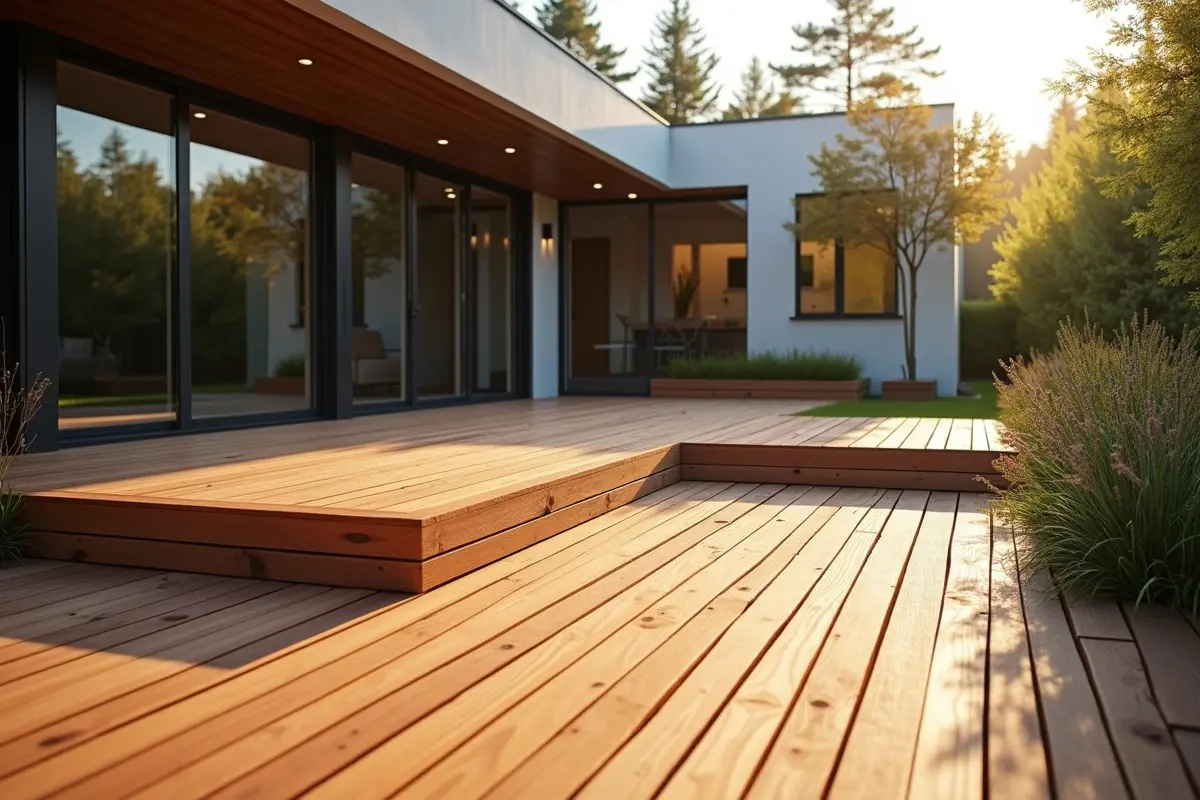
Building a deck is more than just a home improvement project. It is an investment that enhances your outdoor living space and increases your property value. Making the right choice in decking materials can ensure your deck remains both beautiful and functional for years. If you are planning a deck addition or upgrade, working with an experienced Deck Builder can simplify the planning and building process.
The market offers numerous material options, and each comes with unique characteristics, advantages, and drawbacks. Selecting the best one for your home involves a careful evaluation of durability, maintenance needs, budget, and suitability for your region’s climate.
Besides the type of deck itself, integrating features like Pergolas & Gazebos can further enhance your outdoor enjoyment, offering shade and architectural interest to your backyard living area.
Understanding Your Decking Material Options
Decking materials vary widely in composition, looks, performance, and price. Homeowners most commonly consider these options:
- Pressure-Treated Wood: This is the most accessible and affordable choice. It is chemically treated to resist rot, insects, and fungus, but still needs annual maintenance like cleaning, staining, or sealing to extend its lifespan.
- Cedar and Redwood: Both are naturally resistant to pests and rot, prized for their rich colors and natural beauty. They are less prone to warping compared to other woods, but come at a higher price and require regular sealing or staining to preserve their appearance.
- Composite Decking: Made from a blend of wood fibers and plastic, composite decking is designed to mimic the appearance of wood while offering enhanced resistance to rot and insects. It is low-maintenance and often comes in a variety of colors and textures.
- PVC Decking: Constructed entirely from plastic, PVC decking offers maximum resistance to moisture, insects, and fading. While typically more expensive, it performs excellently in wet or humid climates but may lack wood’s authenticity.
- Aluminum Decking: A highly durable and non-combustible option, aluminum decking will not crack, warp, or rust. Its maintenance needs are minimal, though the initial investment is higher, and it delivers a contemporary look.
Durability and Maintenance
The lifespan and required upkeep of your deck depend largely on the material chosen. Composite and PVC decking are especially favored for long-term value since they do not require sanding, resealing, or staining. They are also resistant to splintering, making them ideal for households with children or pets.
Traditional woods like cedar and redwood offer classic appeal but need periodic reapplication of protective coatings to delay weathering and decay. Pressure-treated wood, while durable against insects, is more vulnerable to cracking over time if not properly maintained.
Climate and Environmental Factors
Local weather conditions should guide your material decision. In humid or rainy regions, moisture-resistant materials like composite and PVC decks are advantageous, as constant exposure to water accelerates wood decay. For drier climates, woods, especially cedar and redwood, behave well but still need protection against dryness-induced cracking or splitting. Aluminum decking stands up to any weather, making it a solid choice for fluctuating climates.
Cost: Upfront and Long-Term Considerations
The initial cost of materials often influences decisions, but it is important to factor in ongoing maintenance expenses as well. Pressure-treated wood is the least expensive to purchase, but the cumulative cost of protective treatments and repairs can add up. Composite and PVC options have higher up-front costs but usually pay for themselves in reduced maintenance and longer lifespans. Aluminum, while premium-priced, also promises decades of worry-free use with minimal care.
Aesthetic Preferences
The look and feel of your deck should complement your home’s architecture and your personal taste. Wood, whether pressure-treated, cedar, or redwood, brings authentic grains and earthy tones that enhance traditional or rustic aesthetics. Composite and PVC offer a wider spectrum of finishes, colors, and grain patterns, allowing for customization that aligns with both modern and classic homes. Aluminum delivers a fresh, contemporary look, which may be appealing for some settings.
How to Make an Informed Choice
Evaluating your family’s needs, the climate, maintenance tolerances, and design preferences will help narrow down the best material for your situation. Reviewing resources such as Consumer Reports’ decking materials guide can provide objective performance information and comparisons.
Getting advice from a local decking professional can clarify any uncertainties. Professionals are experienced with climate-related challenges in your area and can help you select materials that suit your routine and the look you want to achieve.
Conclusion
Choosing the right decking material is essential for a durable, attractive, and valuable outdoor living area. Considering the key aspects of durability, climate adaptation, ongoing maintenance, cost, and appearance ensures you make the most informed decision possible and enjoy your new space for years to come.