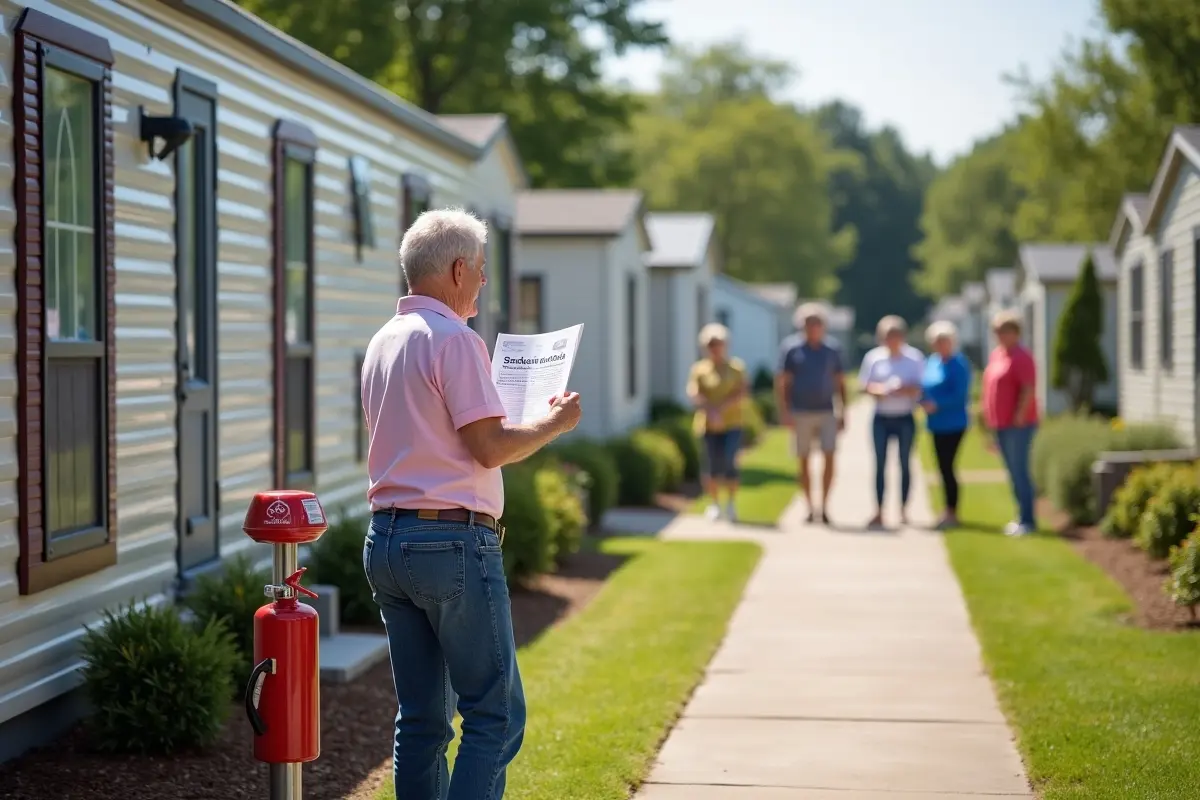
Mobile homes offer an affordable and flexible housing option for individuals and families seeking comfort and mobility. However, their unique design and construction present specific safety concerns that must be addressed to ensure a safe living environment. Whether you are new to mobile home living or a long-term resident, implementing best practices can protect both your property and loved ones.
Proactive steps, such as reviewing mobile home insurance quotes and understanding potential hazards, are key to creating a secure household. From fire prevention to severe weather preparedness, understanding essential safety tips can make all the difference in keeping your home and family secure. Residents should not only focus on their living unit but also consider the broader community context.
Building awareness, staying informed, and participating in safety-oriented initiatives are critical. By focusing on proven methods and community support, you can enhance your comfort and peace of mind. In addition to personal measures, it is wise to stay updated with safety regulations and trusted resources.
Fire Safety Measures
Due to the materials and compact layout of mobile homes, fire safety is a critical concern for residents. Fires can spread rapidly in these settings, so taking preventive steps can save lives and minimize property loss.
- Install Smoke Alarms: Place smoke alarms in every bedroom, hallway, and living area. Test alarms monthly and replace batteries each year for peak effectiveness.
- Maintain Heating Devices: Seek annual professional inspections for furnaces. Use space heaters with automatic shut-off features, and keep them clean and well-maintained.
- Safe Cooking Practices: Never leave the kitchen unattended when the stove is on. Remove flammable items, such as dish towels and paper products, from cooking surfaces.
Following these fire prevention guidelines, such as those shared in Consumer Reports on space heater safety, helps reduce the chances of accidents and ensures preparedness if a fire occurs.
Severe Weather Preparedness
Mobile homes face heightened risks during intense weather events, particularly tornadoes and hurricanes. Their lightweight design makes them more susceptible to wind damage, and extra precautions should be taken well ahead of severe weather seasons.
- Evacuation Plan: Identify nearby storm shelters or solid buildings in advance, and make sure all family members know the evacuation route.
- Proper Anchoring: Regularly inspect and maintain your home’s tie-downs and anchors, ensuring they are sturdy enough to withstand forecasted conditions.
- Stay Alert: Sign up for local weather alerts and heed warnings from emergency management authorities.
The National Weather Service emphasizes that people in mobile homes are significantly more at risk during tornadoes, underscoring the importance of seeking safer shelter when storms approach.
Electrical System Maintenance
Many mobile home fires start due to electrical issues, such as faulty wiring or overloaded outlets. Prevention and regular maintenance are essential for safety.
- Routine Inspections: Schedule periodic checks with a certified electrician to evaluate the home’s wiring, outlets, and circuit breakers.
- Prevent Overloads: Avoid plugging multiple high-wattage devices into the same outlet or circuit to reduce the risk of overheating and electrical fires.
- Use Quality Extension Cords: Select cords rated for the appliances you plan to power, and replace any that appear worn or frayed.
Consult safety resources, such as the guidelines from the National Fire Protection Association, for further best practices and updates on electrical safety standards.
Water Quality Concerns
Clean drinking water is a necessity, yet some mobile home parks face unique water quality challenges. Regular monitoring and appropriate equipment help mitigate the risk of contamination.
- Annual Testing: Test tap water through a local lab each year to check for contaminants like lead, arsenic, or bacteria.
- Install Water Filters: Consider investing in a nationally certified filtration system that meets your household’s needs.
- Stay Alert to Warnings: Follow updates from park management and your local health department regarding water safety advisories.
Emergency Evacuation Plans
Having a well-documented emergency evacuation plan is vital in any mobile home community. When seconds count, preparation and practice can save lives.
- Identify All Exits: Every member of the household should know the primary and alternate exits.
- Choose a Meeting Spot: Determine a safe location outside the home and ensure all residents know to gather there.
- Practice Drills Frequently: Run through evacuation drills at least twice a year. Include children and elderly residents in each exercise.
Additionally, consider preparing a basic emergency kit containing essential items such as bottled water, non-perishable food, flashlights, batteries, necessary medications, and identification documents. Store this kit in an easily accessible location so you can grab it quickly if you need to evacuate. Consider making copies of important records and keeping them in your kit.
Revisit your emergency plans regularly and update them if your living situation or family dynamics change. Involving all family members in creating or revising the plan ensures everyone is comfortable with their role in an emergency, ultimately increasing your household’s readiness and confidence should an incident occur.
Community Safety Initiatives
Safety is strengthened when the community collaborates. By engaging neighbors and park managers, you can support a safer environment for everyone.
- Start a Neighborhood Watch: Organize programs to boost awareness and encourage neighbors to report suspicious activities.
- Emergency Response Planning: Work with park management to set up shared emergency communication and evacuation strategies.
- Community Workshops: Host safety seminars or invite guest speakers to cover topics such as fire prevention, first aid, and disaster preparedness.
Participating in regular community meetings or safety events helps reinforce a collective commitment to preparedness. If your area is prone to specific natural disasters, invite professionals such as local firefighters or emergency response coordinators to demonstrate best practices or conduct hands-on workshops.
By cultivating a unified, safety-conscious community spirit, everyone benefits from greater resilience and more effective responses during emergencies. By maintaining awareness and adopting these effective strategies, mobile home residents can protect themselves and their community, ensuring safer, healthier, and more resilient living spaces for all.
Conclusion
Living in a mobile home offers affordability and flexibility, but it also requires a heightened focus on safety and preparedness. By implementing strong fire safety measures, maintaining electrical systems, preparing for severe weather, and ensuring water quality, residents can significantly reduce common risks associated with mobile home living. These preventative actions help protect both lives and property, especially in environments where conditions can change rapidly.
Equally important are clear emergency evacuation plans and active participation in community safety initiatives. When individuals and neighbors work together, the entire community becomes more resilient and better equipped to respond to emergencies. Ultimately, consistent maintenance, awareness, and proactive planning create a safer and more secure living environment, allowing mobile home residents to enjoy peace of mind and long-term stability.