As homeowners strive to create energy-efficient, comfortable living spaces, ductless HVAC systems have become a popular smart climate-control solution. These innovative systems provide targeted heating and cooling, enabling greater flexibility and efficiency in any floor plan. By bypassing the need for traditional ductwork, ductless systems like an air conditioner heat pump can address a variety of unique household needs, ensuring comfort in every zone of your home.
Featuring streamlined installation and advanced control, ductless HVACs are transforming how people manage indoor air quality and temperature. Whether you’re seeking an upgrade for an older residence or adding modern comfort to a new space, this approach offers notable benefits that extend beyond energy savings.
In this article, you’ll learn how ductless HVAC systems work, their key advantages, recommended use cases, installation insights, and real-world ways homeowners are saving on energy and costs. With the ability to personalize your home’s climate zone by zone, ductless solutions adapt seamlessly to the needs of modern lifestyles.
Ductless HVAC systems are not only efficient but also an excellent choice in situations where conventional ducted systems fall short. As you explore options, understanding these systems will help you make informed choices when considering upgrades or new installations for your living space.
What Are Ductless HVAC Systems?
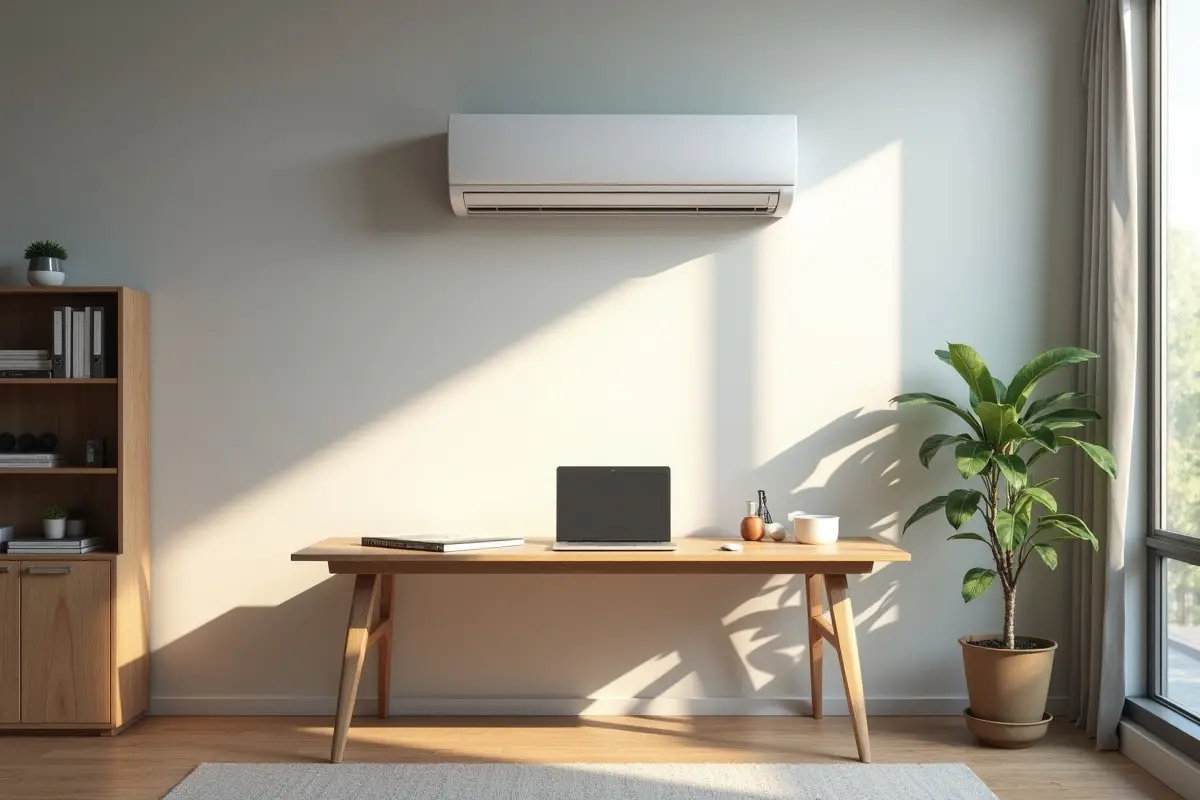
Ductless HVAC systems, commonly known as mini-split systems, include an outdoor compressor and one or more indoor air handlers. These indoor units are usually mounted high on a wall or ceiling, delivering cooled or heated air directly to the room where they are installed. Because conditioned air is distributed directly from the wall or ceiling unit, there is no need for ductwork that can take up space or require extensive remodeling to install.
Each air handler is connected to the compressor via a small bundle of cables and piping that typically passes through a single three-inch hole in the wall. This direct distribution model results in minimal energy loss and allows for independent operation within each zone or room.
Key Benefits of Ductless Systems
- Energy Efficiency: Ductless HVAC systems often have higher Seasonal Energy Efficiency Ratios (SEERs) than traditional systems. This can translate to considerable reductions in household energy use and expenses.
- Zone Control: Each indoor unit can be set to a different temperature, providing greater comfort for family members with varying preferences and reducing wasteful conditioning of unused rooms.
- Flexible Installation: Without the constraints of ductwork, indoor air handlers can be installed in almost any room, including attics, garages, and additions that lack vents. The streamlined installation process can also safeguard historic elements in older homes.
- Quiet Operation: Modern ductless units are built with advanced sound-dampening technology, making them significantly quieter than many window units or central HVAC blowers.
Ideal Applications for Ductless HVAC
Ductless systems excel in several scenarios. They’re an excellent fit for older homes where retrofitting ducts could cause damage or disrupt the structure. They’re also ideal for home additions, outbuildings, and rooms with unique heating or cooling needs, such as sunrooms, finished basements, or workshops.
By offering targeted comfort, ductless systems are often chosen to supplement existing HVAC setups or provide independent comfort control in areas that aren’t well served by central air systems. According to This Old House, homeowners often select these units when expanding their living area or repurposing space, since extending existing ductwork may be costly or infeasible.
Installation and Maintenance Considerations
The setup of a ductless HVAC system is notably straightforward compared to traditional ducted installations. Technicians typically mount the indoor units, drill a small hole for the conduit, and connect the system to the outdoor compressor. In many cases, the installation process can be completed in a day, resulting in less disruption to the household.
Maintenance is minimal but essential for reliable operation. Most routine work involves cleaning or replacing the washable air filters every few weeks, inspecting the outdoor unit to ensure it remains free of leaves and debris, and occasionally checking for refrigerant leaks. Regular professional servicing can help maintain system performance and catch minor issues before they develop into costly repairs.
Energy Efficiency and Cost Savings
A major advantage of ductless systems is their ability to save energy by eliminating duct losses, leaks, or poor duct insulation, which can waste up to 30 percent of the energy consumed in a typical home. By providing direct air distribution, ductless systems maximize the energy delivered into living spaces. This efficiency is further enhanced by allowing homeowners to heat or cool only occupied zones, avoiding unnecessary conditioning in unoccupied rooms.
According to the U.S. Department of Energy, ductless mini-split systems are among the most energy-efficient heating and cooling options for residential use. They offer strong performance even in extreme climates and are well-suited for homes where energy efficiency upgrades are a priority. Homeowners may also be eligible for federal tax credits and utility rebates for installing high-efficiency ductless systems. More information about potential savings and incentives is available on energy.gov.
Conclusion
Ductless HVAC systems provide an efficient balance of energy savings, flexible installation options, and personalized comfort control for modern homes. As homeowners increasingly seek ways to lower utility costs while enhancing indoor air quality and comfort, these systems have become a practical and forward-thinking solution. Their compact design allows easy installation without extensive ductwork, making them ideal for renovations, additions, or older properties.
Quiet operation ensures minimal disruption, while zoned cooling and heating allow users to condition only occupied spaces. This targeted efficiency reduces wasted energy and supports long-term savings, making ductless technology a smart investment for sustainable home comfort improvements.