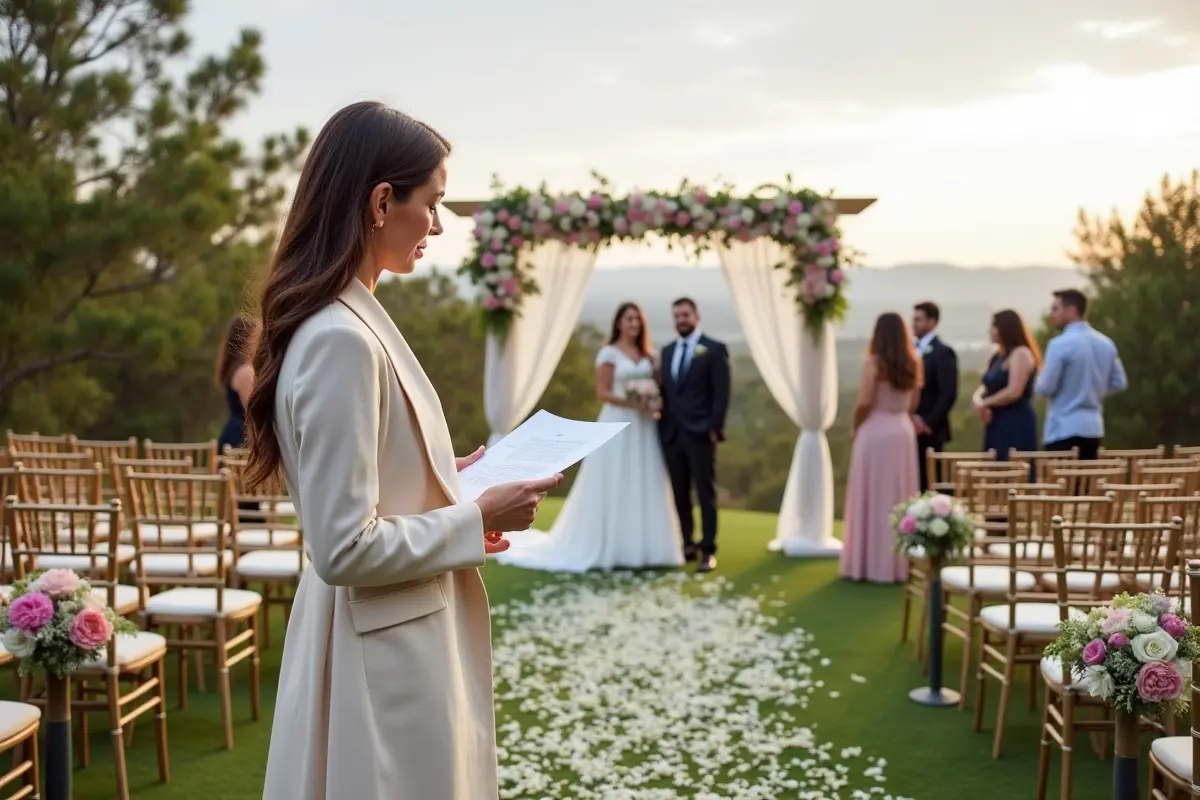
When people think about hiring a wedding planner, the assumption is often simple. Someone to manage a timeline, make a few phone calls, and ensure the day runs smoothly. While those elements are part of the role, they only scratch the surface of what a wedding planner in Perth actually does.
In reality, planning a wedding involves emotional labour, strategic thinking, creative interpretation, and a deep understanding of local conditions. Much of this work happens quietly, long before the wedding day arrives. By the time couples realise how much is being held behind the scenes, they are often already deep in the process.
Understanding the true scope of a wedding planner’s role can help couples make more informed decisions about support, expectations, and the kind of experience they want to create.
The Invisible Work Most Couples Never See
A significant portion of wedding planning happens out of sight. This includes anticipating challenges before they arise, noticing patterns in decision-making, and creating systems that prevent small issues from becoming stressful ones.
This invisible work might look like reviewing supplier contracts with a critical eye, identifying timing conflicts weeks in advance, or quietly adjusting plans to account for weather, logistics, or family dynamics. It is the accumulation of small, thoughtful decisions that creates a sense of ease later on.
Many couples do not realise how much energy they are expending on remembering, coordinating, and mentally holding details until that responsibility is shared. A planner’s role is not simply to execute tasks, but to hold the overall structure so couples are not carrying it alone.
Perth Is Not a One-Size-Fits-All Wedding Location
Planning a wedding in Perth and across Western Australia comes with unique considerations that are often underestimated by those unfamiliar with the region.
Climate plays a major role. Heat, wind, and seasonal extremes can influence ceremony timing, attire choices, and guest comfort. Distances between venues, particularly for regional or coastal weddings, add another layer of logistical complexity. Travel time, accommodation availability, and supplier access all need to be factored into the planning process.
Local knowledge matters. A wedding planner who understands Perth conditions can guide decisions that feel calm and intentional rather than reactive. This awareness helps couples avoid last-minute adjustments that could have been prevented with the right foresight.
Design Is More Than Styling
Wedding design is often mistaken for decoration alone. In reality, it is about shaping how the day feels, flows, and is experienced by both the couple and their guests.
A wedding planner translates abstract ideas and emotional priorities into practical decisions. This might include balancing aesthetics with comfort, ensuring spaces transition smoothly, or choosing design elements that enhance the atmosphere without overwhelming it.
Good design supports the experience rather than competing with it. It considers movement, timing, light, and how people interact within the space. When design decisions are grounded in intention rather than trends, the result is a celebration that feels cohesive and personal.
Vendor Relationships and Advocacy
One of the most valuable roles a wedding planner plays is acting as an advocate for the couple throughout the planning process.
Planners curate suppliers not only based on skill, but on reliability, communication style, and alignment with the couple’s values. They manage ongoing correspondence so couples are not fielding constant questions or making decisions in isolation.
When issues arise, as they inevitably do, a planner steps in to resolve them calmly and professionally. This protects the couple’s time, energy, and emotional space. Advocacy means ensuring expectations are clear, boundaries are respected, and everyone involved is working toward the same outcome.
Emotional Intelligence Is Part of the Job
Wedding planning is not purely logistical. It often brings underlying emotions, family dynamics, and personal expectations to the surface.
A skilled wedding planner recognises when stress is influencing decisions and when couples need reassurance rather than more information. They help navigate conversations that feel sensitive and support couples in maintaining clarity when emotions run high.
This aspect of the role is rarely discussed, yet it is one of the most impactful. Calm leadership and emotional awareness can change how the entire planning journey feels. Feeling supported allows couples to make decisions from a place of confidence rather than pressure.
What Happens on the Wedding Day
On the wedding day itself, a planner’s role becomes even more hands-on, though still largely unseen.
Planners arrive early, oversee setup, manage suppliers, and adjust timelines as needed. They solve problems quietly, often before anyone else notices there was an issue to begin with. Their focus is on maintaining flow, not rigidly enforcing a schedule.
Most importantly, they ensure the couple is free to be present. When a planner is doing their job well, the day feels natural and unforced. Couples are able to experience their wedding rather than manage it.
Understanding Different Levels of Planning Support
Not every couple requires the same level of support. Full service planning, partial planning, and styling-focused roles each serve different needs.
Full-service planning is suited to weddings with multiple layers of complexity or couples who want consistent guidance from start to finish. Partial planning may support couples who have begun the process but need assistance refining and coordinating their plans. Styling-led roles focus on visual cohesion and presentation.
Challenges often arise when expectations do not align with the level of support chosen. Understanding what each role includes helps couples select support that genuinely matches their needs rather than simply their budget.
Why This Matters More Than You Expect
The way a wedding is planned has a direct impact on how it is remembered. Stress, pressure, and exhaustion shape experiences just as much as décor or location.
Couples who feel supported are more likely to feel present, calm, and connected on the day. Many people only recognise the value of a wedding planner in hindsight, once they understand how much was quietly managed on their behalf.
Planning support is not about extravagance or control. It is about creating space for meaning, ease, and genuine presence.
Planning as a Human Experience
Weddings are not projects to be executed perfectly; they are celebrations to be cherished. They are experiences shaped by emotion, relationships, and moments that cannot be rehearsed.
A wedding planner in Perth does far more than manage logistics. They provide structure, clarity, and steadiness throughout a process that can otherwise feel overwhelming. When the right support is in place, couples are free to focus on what truly matters.
Not perfection, but presence.